
As technology continues to evolve at a breakneck pace, the way we tell stories is undergoing a radical transformation. In 2024, storytelling isn’t just about words on a page or scenes on a screen—it’s becoming an immersive, interactive experience shaped by cutting-edge innovations.
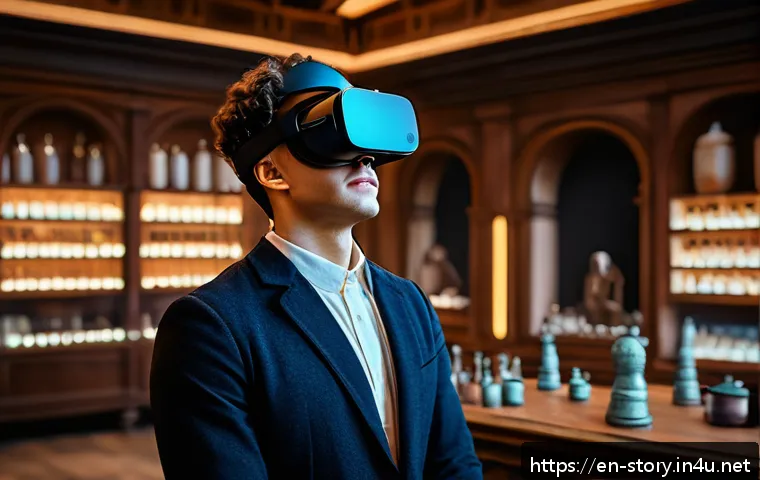
Whether it’s AI-driven narratives, virtual reality, or personalized content, these emerging trends are redefining how creators connect with their audiences.
If you’ve ever wondered what the future holds for storytelling, now is the perfect time to dive in and explore the exciting shifts reshaping the industry.
Stick around as we uncover the trends that are unlocking new creative possibilities and changing the narrative landscape forever.
Blurring Lines Between Audience and Creator
Interactive Storytelling: The New Norm
The shift from passive consumption to active participation has changed the storytelling game completely. Nowadays, audiences don’t just sit back and watch or read—they become co-creators.
Platforms using AI algorithms allow users to influence plotlines or character decisions in real-time, making stories feel deeply personal and unique. I’ve experimented with some AI-powered story apps where my choices literally altered the ending.
It felt like the story was written just for me, and that kind of engagement creates a bond you rarely get with traditional media. This trend is especially prominent in gaming and digital fiction, where immersive elements keep people hooked longer than ever.
Virtual Reality as a Storytelling Canvas
Virtual reality (VR) is no longer just a futuristic concept but a practical tool for storytellers eager to create fully immersive experiences. By stepping inside a story, users can explore environments, interact with characters, and uncover layers of narrative that linear storytelling can’t deliver.
I remember trying a VR narrative experience that placed me in the shoes of a character during a historical event—it was surreal how much empathy I felt just by looking around and experiencing things firsthand.
As VR technology becomes more affordable and accessible, expect more creators to adopt it, blending visual storytelling with physical presence.
Community-Driven Narratives
The rise of social media and collaborative platforms has birthed stories shaped by entire communities rather than a single author. Writers, artists, and fans now collaborate across platforms like Discord, Reddit, and TikTok to build shared universes and episodic tales.
This collective creativity often results in richer and more diverse stories. From my experience following a serialized story on social media, the real-time feedback loop between creators and fans added layers of depth and surprises that kept the narrative fresh and unpredictable.
AI as a Storytelling Partner, Not Just a Tool
Crafting Characters with AI Insights
AI is evolving beyond generating text to become a creative partner that helps shape complex characters and narratives. With machine learning analyzing vast datasets of story archetypes, it suggests nuanced traits and dialogue patterns that human writers might overlook.
I found this particularly helpful when developing characters with diverse backgrounds, as AI offered fresh perspectives that felt authentic rather than stereotypical.
This collaboration speeds up the creative process without sacrificing depth or originality.
Dynamic Story Worlds Powered by Machine Learning
Machine learning enables stories that adapt dynamically to user input, creating an ever-evolving narrative landscape. Unlike static plots, these worlds respond to choices, moods, and even biometric data in some experimental projects.
I tested an app that adjusted the storyline based on my emotional responses detected via a wearable device—when I showed signs of stress, the story introduced calming scenes or humorous moments.
This level of responsiveness can transform storytelling into a truly personalized emotional journey.
Ethical Considerations in AI Storytelling
As AI takes a larger role in creating and influencing stories, questions around bias, representation, and authorship come to the forefront. AI models learn from existing data, which can perpetuate stereotypes or exclude marginalized voices if not carefully curated.
From my discussions with fellow creators, there’s a growing emphasis on transparency and ethical guidelines to ensure AI-generated content respects cultural nuances and promotes inclusivity.
Navigating this balance is crucial for building trust with audiences and maintaining storytelling integrity.
Personalization Taking Center Stage
Tailored Story Feeds for Every Interest
Streaming platforms and digital publishers increasingly use sophisticated recommendation engines to deliver stories that fit individual preferences like a glove.
This means no more endless scrolling or generic suggestions—content is curated based on past behavior, mood, and even time of day. In my case, personalized story feeds have introduced me to niche genres and indie creators I never would have found otherwise.
This targeted approach increases engagement and satisfaction, making storytelling feel more relevant and immediate.
Multisensory Experiences Beyond Sight and Sound
Personalization now extends to how stories are experienced, incorporating tactile feedback, scents, and even taste in experimental setups. While still niche, these multisensory narratives offer a fully embodied experience that’s tailored to individual sensory preferences.
I tried a storytelling app paired with a scent diffuser that released different aromas matching scenes, deepening immersion in ways traditional media can’t match.
As tech evolves, expect these experiences to become more mainstream, adding new dimensions to storytelling.
Data-Driven Story Development
Writers and creators use analytics to understand what resonates with audiences on a granular level, tweaking narratives accordingly. This data-driven approach can identify which characters, themes, or plot twists generate the most emotional impact or engagement.
From my experience analyzing reader feedback and interaction metrics, the insights help fine-tune stories without losing creative vision, striking a balance between art and audience appeal.
Cross-Media Storytelling Ecosystems
From Books to Games and Beyond
Stories today no longer live in isolation on a single platform. Successful narratives often span books, movies, games, podcasts, and social media, creating a rich ecosystem that invites audiences to explore different facets of the story world.
I’ve followed franchises that release complementary content across media, each piece revealing new plot details or character backstories. This layered storytelling keeps fans engaged over long periods and drives deeper emotional investment.
Transmedia Storytelling Techniques
Creators employ transmedia strategies by designing narratives that unfold uniquely on each platform while maintaining overall coherence. For example, a mystery story might reveal clues through a podcast, social media posts, and an interactive website simultaneously.
In my observation, this approach encourages active participation and community discussion, turning storytelling into a collaborative puzzle-solving experience that feels fresh and exciting.
Challenges of Maintaining Narrative Consistency
With stories spread across multiple media, maintaining consistency in plot, tone, and character development can be tricky. From personal experience working on cross-platform projects, it requires meticulous planning and communication among creative teams to avoid contradictions or confusion.
However, when done well, it enhances the richness of the narrative universe and rewards dedicated fans with a cohesive and immersive experience.
Monetization Models Shaped by Engagement
Subscription and Microtransaction Hybrid Models
Monetizing stories in the digital age often blends subscription services with microtransactions, allowing audiences to pay for premium content, exclusive episodes, or interactive features.
I noticed platforms like Patreon and episodic storytelling apps use this hybrid model to build sustainable income streams while keeping content accessible.
This balance encourages creators to produce high-quality work without relying solely on advertising.
Branded Content and Story Sponsorships
Brands increasingly partner with storytellers to create content that aligns with their values and marketing goals, providing new revenue sources. From my observations, successful branded stories feel organic and add value rather than interrupting the narrative flow.
When brands support creative projects without compromising authenticity, it’s a win-win for creators and audiences alike.
Fan-Driven Funding and Crowdsourcing
Crowdfunding platforms empower fans to directly support stories they care about, fostering a sense of community ownership. I’ve backed several creative projects where early supporters received exclusive content and input into story development.
This model not only funds production but also builds loyal fanbases invested in the story’s success.
Emerging Technologies Enriching Storytelling
Augmented Reality Blending Fiction and Reality
Augmented reality (AR) overlays digital content onto the real world, opening new avenues for storytelling that engage users in everyday environments. I once experienced an AR narrative that turned a city park into a fantasy quest, blending physical exploration with digital clues.
This fusion of real and virtual worlds makes stories more tangible and memorable.
Blockchain and NFT Integration for Story Ownership
Blockchain technology introduces new possibilities for storytelling ownership and monetization through NFTs (non-fungible tokens). Creators can sell unique story elements, artwork, or interactive experiences as digital collectibles.
From my research, this emerging market allows fans to own a piece of their favorite stories, creating a new level of connection and value.
AI-Generated Visuals and Soundscapes
AI tools are now capable of generating original images, animations, and soundtracks to accompany stories, reducing production barriers. I experimented with AI to create mood music for a short story, and it was surprisingly effective in setting the tone.
These technologies empower solo creators and small teams to produce rich multimedia narratives without massive budgets.
| Trend | Key Features | Impact on Storytelling | Example Use Case |
|---|---|---|---|
| Interactive Storytelling | Real-time audience choices, AI-driven plot changes | Personalized narratives, higher engagement | AI-powered story apps that change endings based on decisions |
| Virtual Reality | Immersive 3D environments, physical presence | Deeper empathy, experiential learning | Historical VR simulations placing users in key events |
| AI Collaboration | Character development suggestions, dynamic story worlds | Enhanced creativity, faster writing process | Machine learning models helping diversify character traits |
| Personalization | Tailored content feeds, multisensory experiences | Relevant, immersive storytelling | Story apps adjusting narrative based on user emotions |
| Cross-Media Ecosystems | Transmedia storytelling, multi-platform narratives | Expanded story universes, fan engagement | Franchises with books, games, podcasts complementing each other |
| Monetization Models | Subscriptions, microtransactions, crowdfunding | Sustainable creator income, community support | Patreon campaigns funding serialized stories |
| Emerging Tech | AR, blockchain/NFTs, AI-generated media | New ownership models, enriched sensory experiences | AR quests in public spaces, NFT story collectibles |
In Conclusion
The evolving landscape of storytelling is redefining how audiences and creators connect, blending technology with creativity in exciting new ways. From interactive narratives to AI collaboration and immersive experiences, these trends offer deeper engagement and personalization. Embracing these innovations not only enriches the story but also opens fresh opportunities for creators to thrive. As this evolution continues, storytelling will become even more dynamic and inclusive, inviting everyone to participate in crafting meaningful tales.
Useful Information to Keep in Mind
1. Interactive storytelling turns audiences into active participants, boosting engagement through real-time choices and AI-driven plots.
2. Virtual reality offers immersive environments that foster empathy and bring stories to life beyond traditional formats.
3. AI can assist in character development and create dynamic story worlds, speeding up creativity while maintaining depth.
4. Personalization techniques tailor content feeds and multisensory experiences to individual preferences, enhancing immersion.
5. Cross-media storytelling and emerging technologies like AR and blockchain expand narrative possibilities and fan involvement.
Key Takeaways
Storytelling today thrives on blending technology with human creativity, emphasizing audience participation and personalization. Ethical use of AI and maintaining narrative consistency across platforms are essential to preserve trust and quality. Sustainable monetization models that balance accessibility and creator support help ensure the longevity of innovative storytelling. Ultimately, the future of storytelling lies in creating immersive, inclusive, and dynamic experiences that resonate deeply with diverse audiences.
Frequently Asked Questions (FAQ) 📖
Q: uestions about the Future of StorytellingQ1: How is
A: I changing the way stories are created and experienced? A1: AI is revolutionizing storytelling by enabling dynamic, personalized narratives that adapt in real time to the audience’s preferences.
From AI-generated plot twists to character interactions that respond to user choices, this technology makes stories feel more alive and engaging. Having experimented with several AI storytelling platforms myself, I’ve noticed how they add unexpected depth and spontaneity, transforming passive readers into active participants.
This shift not only broadens creative possibilities for writers but also makes storytelling more inclusive and immersive.
Q: What role does virtual reality (VR) play in storytelling today and in the near future?
A: Virtual reality takes storytelling beyond traditional media by immersing users in fully realized worlds where they can explore and interact with the narrative environment.
Unlike reading a book or watching a movie, VR lets you step inside the story, creating a sense of presence and emotional connection that’s hard to achieve otherwise.
Based on my own VR experiences, the technology fosters empathy and engagement by allowing you to live the story rather than just observe it. As VR devices become more accessible, expect this form of storytelling to grow rapidly and influence everything from education to entertainment.
Q: How can creators leverage emerging storytelling trends to better connect with their audiences?
A: To truly connect with audiences in 2024, creators need to embrace interactivity, personalization, and multi-sensory experiences. This means going beyond static content by integrating AI-driven customization, immersive visuals like AR and VR, and even soundscapes that adapt to the mood.
In my experience, the most successful storytellers combine technology with authentic emotional storytelling, ensuring that the tech serves the narrative rather than overshadowing it.
Engaging your audience means inviting them to co-create the experience, which builds loyalty and makes the story memorable long after it ends.