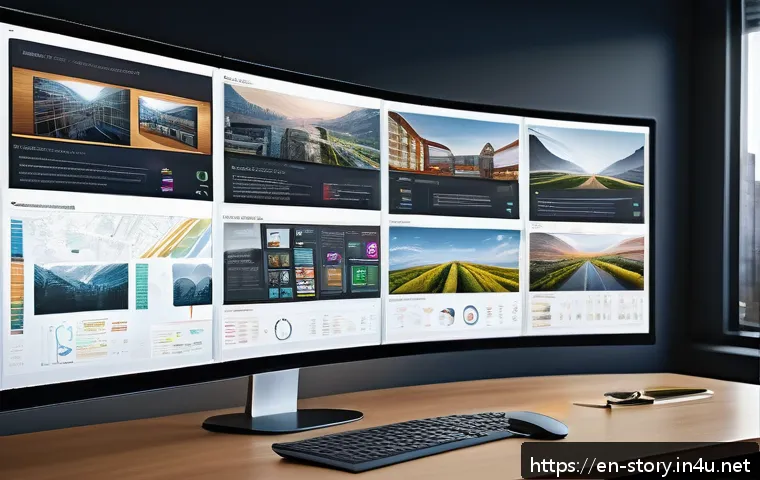
As storytelling continues to evolve in 2024, creatives are seeking fresh ways to bring their visions to life with clarity and impact. Whether you’re a filmmaker, writer, or marketer, the right storyboard tool can transform your ideas from mere concepts into compelling visual narratives.
With new features emerging that blend AI assistance and seamless collaboration, these tools are becoming essential for efficient and inspired storytelling.
In this post, I’ll share the top storyboard platforms that every storyteller should explore this year to unlock creativity and streamline the creative process.
If you’ve ever struggled to organize your ideas or communicate your vision, this guide is for you—let’s dive in!
Visualizing Your Story’s Flow with Intuitive Boards
Breaking Down Scenes for Maximum Clarity
When I first started using visual boards to map out my stories, I was amazed at how much easier it was to see the overall flow. Instead of juggling pages of notes or random sketches, I could arrange each scene as a distinct panel, which instantly highlighted pacing and transitions.
This kind of visual breakdown lets you spot pacing issues or narrative gaps before investing too much time in production. It’s like having a bird’s-eye view of your entire story, helping to refine every moment with precision.
For storytellers, whether crafting a short film or a detailed marketing campaign, this step is invaluable for clarity and impact.
Layering Details Without Losing Simplicity
One challenge with storyboarding is balancing detail with readability. Some platforms let you add layers—dialogue, camera angles, character notes—without cluttering your main visual.
I found this approach liberating because it keeps the storyboard clean while still housing all critical info in one place. It’s especially helpful in team environments where different members focus on distinct elements like script, visuals, or sound.
You get the richness of detail without overwhelming the core narrative flow, making collaboration smoother and more productive.
Flexible Formats to Match Any Project Style
Not all stories are created equal, and thankfully, modern tools offer flexible formats. From classic frame-by-frame storyboards to timeline views and mood boards, you can pick the style that fits your project best.
For example, I once shifted from a traditional storyboard to a vertical scroll format for a social media campaign, which better suited the platform’s storytelling style.
This flexibility keeps the creative process fresh and adaptive, allowing you to experiment with how your story is presented before committing to the final version.
Harnessing AI for Smarter Story Development
Automated Scene Suggestions to Spark Creativity
Integrating AI into storyboarding has been a game changer for me. Instead of staring at a blank board wondering what comes next, some tools now offer automated scene suggestions based on your current plot points.
It’s like having a brainstorming partner who throws fresh ideas your way, helping you overcome creative blocks. This doesn’t replace your creativity but rather fuels it, making the process faster and less daunting.
Instant Script-to-Storyboard Conversion
One feature I found incredibly useful is the ability to upload a script and get an instant storyboard draft. This saves hours of manual drawing or arranging and gives a solid visual starting point.
You can then tweak each panel, add character expressions, or adjust pacing. It’s a fantastic shortcut for writers who want to visualize their script without needing advanced design skills, bridging the gap between text and image effortlessly.
AI-Powered Collaboration and Feedback
Some platforms now embed AI to analyze your storyboard and suggest improvements—whether it’s pacing, diversity in shots, or emotional beats. I’ve used this feature to get unbiased feedback quickly, which helped refine my projects before sharing them with a team.
It adds a layer of quality control that feels like having an expert consultant on call 24/7, boosting confidence and polish.
Seamless Teamwork Across Distances
Real-Time Collaboration for Instant Alignment
One of the biggest headaches in creative projects is keeping everyone on the same page, especially with remote teams. Modern storyboarding tools often feature real-time collaboration, where multiple users can edit and comment simultaneously.
From my experience, this cuts down endless email chains and meeting times dramatically. When you see changes live and can chat within the platform, it keeps the energy high and ideas flowing naturally.
Customizable Permissions to Protect Your Vision
Not every team member needs full editing power. I appreciate tools that let you assign different permission levels—view-only, comment, or edit—so your storyboard remains protected from accidental changes.
This is crucial when working with large teams or clients who want to provide feedback without altering the core content. It creates a secure environment that respects everyone’s role and input.
Cloud-Based Access Anywhere, Anytime
Working on a story shouldn’t be limited by location. Cloud-based storyboards mean you can start a project on your laptop, tweak it on your phone during a commute, and share updates instantly with collaborators worldwide.
I’ve personally found this freedom invaluable, especially during tight deadlines or last-minute creative bursts. It keeps your workflow fluid and flexible, adapting to your lifestyle rather than forcing you into rigid schedules.
Integrating Multimedia for Richer Storytelling
Embedding Audio and Video Clips
Storyboarding isn’t just about static images anymore. Many platforms now allow embedding audio snippets or video references directly into your boards.
When I experimented with this, it transformed how I communicated tone and mood. Adding background music samples or short clips made it easier for collaborators to understand the emotional undercurrents of scenes, bridging gaps that words or drawings alone couldn’t fill.
Interactive Animations to Preview Movement
Some advanced tools offer simple animation features so you can preview camera moves, character gestures, or scene transitions. This dynamic element is a huge step up from flat storyboards because it gives a glimpse into the final product’s energy.
I found this particularly helpful when pitching ideas to clients, as it brought scenes to life and made concepts easier to grasp.
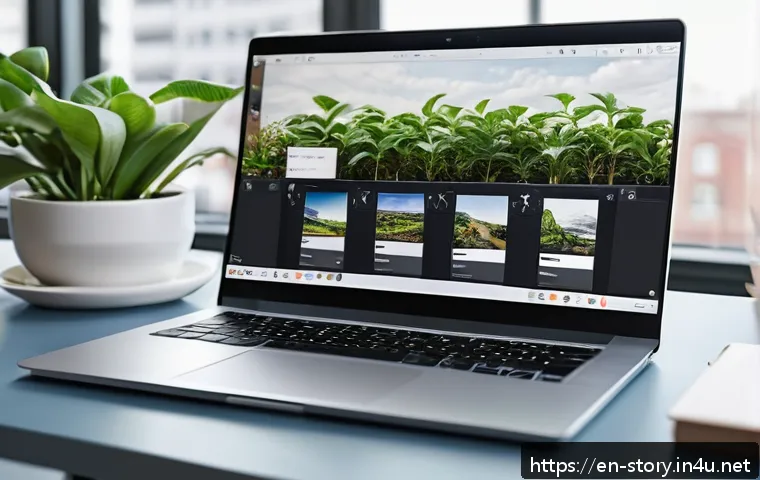
Visual Notes and Sketching Freedom
Even with digital tools, the ability to freehand sketch or jot quick visual notes remains essential. I always keep a tablet handy for spontaneous ideas or corrections that don’t fit neatly into preset templates.
This blend of structured and freeform input keeps the creative spirit alive while maintaining organization, ensuring no brilliant moment gets lost in the process.
Organizing Projects with Efficiency and Style
Tagging and Categorizing for Easy Navigation
When juggling multiple storyboards or large projects, organization can make or break productivity. Tagging scenes by theme, character, or sequence helps you quickly filter and find exactly what you need.
I rely heavily on this feature to jump between different story arcs or versions without wasting time scrolling endlessly. It’s a simple yet powerful way to keep your creative workflow tidy.
Version History to Track Progress
Mistakes happen, and sometimes you want to revisit an earlier idea. Tools with robust version control let you track every change and revert to previous versions without hassle.
I’ve saved myself from accidental overwrites countless times thanks to this safety net. It’s a must-have for anyone serious about iterative storytelling and continuous improvement.
Export Options Tailored to Your Needs
Sharing your storyboard in the right format is key for pitching, production, or archiving. The best platforms offer multiple export options—PDFs, image sequences, or even interactive presentations.
I appreciate when a tool can generate a clean, professional file that’s ready to send straight to clients or collaborators, saving me extra formatting time.
This versatility ensures your storyboard fits seamlessly into any part of your workflow.
Comparing Popular Storyboard Solutions at a Glance
| Feature | Platform A | Platform B | Platform C |
|---|---|---|---|
| Real-Time Collaboration | Yes, with chat | Limited, comment only | Yes, multi-user editing |
| AI Assistance | Scene suggestions & feedback | No AI features | Script-to-board conversion |
| Multimedia Support | Audio & video embedding | Static images only | Basic video clips |
| Version Control | Full version history | No version control | Basic undo options |
| Export Formats | PDF, PPT, Images | PDF only | PDF, Video |
| Offline Access | No, cloud only | Yes, desktop app | Hybrid mode |
Customizing Your Workflow for Maximum Creativity
Adapting Tools to Your Unique Process
Every storyteller has their own rhythm and style, and the best tools let you tailor features accordingly. I’ve experimented with customizing templates, keyboard shortcuts, and panel layouts to fit my workflow.
This flexibility means the tool works for you, not the other way around. It’s a subtle but powerful way to keep creativity flowing without friction.
Integrating with Other Creative Software
Many storytellers use multiple apps during production. Platforms that offer smooth integrations with scriptwriting tools, editing software, or project management apps can save tons of time.
Personally, I love when my storyboard tool syncs with my editing timeline or script drafts, creating a seamless creative ecosystem. This reduces repetitive data entry and keeps all aspects of the project connected.
Automating Routine Tasks to Stay Focused
Automations like auto-arranging boards, setting reminders for deadlines, or generating reports might sound boring, but they keep your mind free for big-picture storytelling.
I rely on these features to handle repetitive tasks, which helps maintain momentum on creative work. It’s like having a virtual assistant handling the small stuff so you can focus on what matters most—telling your story.
Wrapping Up
Visualizing your story through intuitive boards transforms the creative process by making complex narratives clearer and more manageable. By leveraging flexible formats, AI tools, and seamless collaboration, you can bring your ideas to life faster and with greater precision. These methods not only boost productivity but also enhance the overall quality of your storytelling projects. Embrace these techniques to elevate your next creative venture.
Helpful Insights to Keep in Mind
1. Visual boards simplify story structure, helping you identify pacing and flow issues early on.
2. Layering details like dialogue and camera angles keeps your storyboard informative without clutter.
3. AI-powered features can spark creativity and streamline tasks such as script-to-storyboard conversion.
4. Real-time collaboration tools reduce communication gaps, especially for remote teams.
5. Organizing your projects with tags, version control, and export options ensures efficient workflow management.
Key Takeaways
Effective storyboarding hinges on clarity, flexibility, and collaboration. Utilizing visual breakdowns alongside AI assistance can accelerate your creative process while maintaining quality. Protecting your vision through customizable permissions and cloud access supports teamwork across distances. Finally, integrating multimedia and automation features enriches storytelling and keeps your focus on what truly matters—crafting a compelling narrative.
Frequently Asked Questions (FAQ) 📖
Q: uestionsQ1: How can
A: I-powered storyboard tools enhance my creative process? A1: AI-powered storyboard tools can significantly speed up your workflow by automating repetitive tasks such as generating scene layouts, suggesting shot angles, or even creating rough sketches based on your script.
From my experience, this lets you focus more on refining your story and less on technical details. The AI assistance often sparks new ideas you might not have considered, making the entire process more dynamic and inspiring.
Plus, these tools often include smart collaboration features, so your team can provide feedback in real time, keeping everyone aligned and creative energy flowing smoothly.
Q: Are these storyboard platforms suitable for beginners or only for professionals?
A: Absolutely, many of the top storyboard platforms are designed with both beginners and pros in mind. They typically offer intuitive drag-and-drop interfaces, templates, and tutorials that help newcomers get started quickly without feeling overwhelmed.
From what I’ve seen, beginners appreciate how these tools break down complex storytelling into manageable steps, while professionals benefit from advanced features like custom shot libraries and integration with other creative software.
So whether you’re just starting out or have years of experience, these platforms can adapt to your needs and help elevate your storytelling.
Q: What should I look for when choosing a storyboard tool for my projects?
A: When selecting a storyboard tool, consider your specific needs: Are you working solo or with a team? Do you need AI features, real-time collaboration, or integration with video editing software?
Also, think about ease of use and budget. From my own trials, tools that balance powerful features with user-friendly design tend to keep me engaged longer and reduce frustration.
Another tip is to check if the platform supports exporting your storyboard in formats compatible with your production workflow. Ultimately, the right tool should feel like a creative partner, helping you bring your vision to life without getting in the way.