The best way to document your journey to becoming a storyteller is to build the film around one clear question, then choose a production model that fits your time, budget, and intended audience.
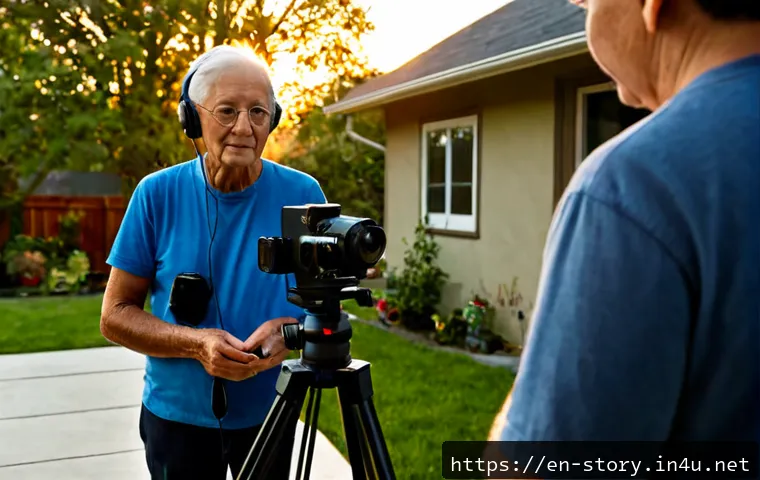
A DIY approach works well for learning and personal archives, while targeted freelance editing or full documentary production support can help when post-production, sound, deadlines, or distribution become the main challenge.
Do not treat the project as a complete life history. Show a visible change: a craft decision, a setback, a new working habit, or a moment when you begin telling stories differently.
Before paying for a storytelling course, video editing software, mentoring, or production services, identify the exact bottleneck you need help solving.
Organize releases, footage, project files, and backups from the first filming day. A smaller, well-shaped documentary is usually more useful than a large collection of unedited clips.
At a Glance
- Start with a central question: a compelling creative-journey documentary follows a change, not simply a calendar.
- Match the production model to the goal: DIY, freelance support, and full-service production solve different problems.
- Plan permissions and file organization early: releases, backups, and rights reviews protect the project before editing begins.
| Production approach | Best fit | Main advantage | Key consideration |
|---|---|---|---|
| DIY production | Learning, personal archives, early portfolio work | Maximum creative control and hands-on practice | Filming, editing, sound, and organization all require your time |
| Hybrid production | Creators who can shoot but need post-production support | You keep the personal perspective while addressing a specific bottleneck | Define the editor’s scope, deadlines, files, and rights requirements clearly |
| Professional production support | Projects with stronger quality-control, deadline, or distribution needs | Specialists can support producing, cinematography, sound, and documentary editing | Costs vary substantially with crew, locations, filming days, licensing, and post-production |
What a Documentary About Becoming a Storyteller Should Actually Show
A documentary about becoming a storyteller should show how your perspective or practice changes. Viewers do not need every event in your background. They need enough context to understand what you wanted, what challenged you, and what shifted in your work.
Start with one guiding question instead of a life-history timeline
A timeline can be useful for planning, but it is rarely enough to carry the finished film. Begin with a question that gives the footage direction. For example: “Can I learn to tell more honest stories?” or “What happens when I stop waiting to feel ready?” The question does not need a perfect answer at the start. It needs to create tension that your scenes, interviews, and reflections can explore.
Watch out for: recording everything because it might become important later. More footage does not automatically create a stronger documentary. It can make editing slower and make the main idea harder to find.
Define the transformation viewers should be able to see
Choose a change that can be observed. You might move from avoiding interviews to conducting one, from writing alone to sharing work with a group, or from collecting ideas to completing a story. The transformation may be modest. What matters is that it feels specific and grounded in decisions or actions.
A storytelling course or coaching program may be useful when you need structure, feedback, or a regular creative practice. But the documentary should not become a promotional recap of every lesson. Show what you tested, where you struggled, and what you decided to keep.
Build an opening, turning point, and reflective ending
Open with the creative problem already in motion. A draft you cannot finish, a camera setup before an interview, or a question you are hesitant to ask can establish the stakes quickly. The middle should include a turning point: feedback that changes your approach, a failed attempt, an unexpected conversation, or a decision to revise the plan.
End with reflection rather than a forced victory. You may not become a finished, fully confident storyteller by the last scene. A more honest ending can show what you understand now, what remains unresolved, and what you will continue practicing.
Choose the Right Production Model for Your Goal and Budget
The right production choice depends less on labels such as “professional” and more on what you need the documentary to do. A portfolio piece, a classroom resource, a personal archive, and a public-facing online video can require very different levels of production support.
DIY filming: best for learning, personal archives, and limited budgets
DIY production is a strong option when learning the process is part of the goal. You control the interview style, the visual diary, the pacing, and the final edit. It can also help you discover whether filmmaking is a craft you want to pursue further.
Use a simple plan before each shoot: what scene are you trying to capture, what question does it answer, and what supporting footage will help an editor understand the setting? Video editing software can be a practical investment when you expect to make multiple projects, but compare its workflow, project-file handling, audio tools, and learning curve before committing.
Hybrid production: filming yourself while hiring an editor or sound specialist
A hybrid model works when your story is personal enough that you want to do the filming, but the footage becomes difficult to shape. A freelance documentary editor can help identify the narrative spine, create a workable structure, and reduce the burden of reviewing material alone. A sound specialist may be useful when dialogue clarity is the main issue.
Before hiring support, prepare a short brief. Explain the intended audience, the central question, the approximate footage volume, the required delivery date, and whether release forms or licensed materials are already in place. This helps you compare freelance editing services based on the work actually required rather than a vague request to “make it cinematic.”
Professional support: when a producer, cinematographer, or documentary editor adds value
Professional documentary production support can make sense when the project needs coordinated filming, stronger visual consistency, a fixed deadline, or a more formal distribution plan. A producer can help manage the process, while a cinematographer, sound professional, or documentary editor can focus on their area of craft.
This route is not automatically necessary for a meaningful film. It is most useful when the project has demands that exceed your available time or experience. Ask potential production partners how they handle project files, footage handover, music licensing, releases, revision rounds, and final deliverables.
Cost factors to compare before requesting quotes
Documentary production costs can vary substantially. Compare the scope behind any quote, not only the total figure. Useful questions include:
- How many filming days, locations, and crew roles are included?
- Who supplies equipment, manages backups, and organizes raw footage?
- Does the scope include editing, sound work, captions, color work, or music licensing?
- Who owns the raw footage, project files, and final version?
- What approvals, revision process, and delivery timeline are expected?
Important: actual prices depend on location and project scope. Request detailed terms from the relevant provider instead of assuming that one creator’s production budget applies to yours.
Plan the Story, Interviews, and Footage Before You Record
Planning does not remove spontaneity. It gives you a way to recognize useful moments when they happen. A short story map can prevent a personal documentary from becoming a folder of disconnected talking-head clips.
Create a story map with milestones, setbacks, and decisions
List the moments that may reveal the journey: a first attempt, a workshop, a rejected draft, a mentor conversation, a revised script, or a public sharing of work. Then identify the decisions between those moments. Decisions are often more revealing than achievements because they show how you think as a developing storyteller.
Keep the map flexible. If an unplanned moment changes the direction of your learning, it may become more valuable than the scene you originally expected to film.
Write interview prompts that generate scenes rather than generic advice
Generic questions often produce generic answers. Instead of asking, “What makes a good storyteller?” ask questions that invite a memory, action, or conflict. Examples include: “Tell me about a story you almost abandoned,” “What did you notice when you read that draft aloud?” and “What happened after you received that feedback?”
When filming a mentor, colleague, family member, or member of the public, make permission part of the process. Explain the project clearly and keep any release records organized with the footage.
Capture supporting footage that makes the learning process visible
Supporting footage can show the work that interviews describe: notes on a desk, preparing a recording space, revising pages, traveling to a class, waiting before an event, or discussing a draft with permission. These scenes provide rhythm and context during editing.
Do not collect visual material merely to fill time. Each shot should help the viewer understand the place, process, emotion, or decision behind the story.
Avoid Legal, Ethical, and Production Mistakes
A personal documentary can involve other people’s faces, voices, homes, workspaces, and stories. A clear ethical process protects relationships as well as the finished production.
Get permission and keep release records
Obtain permission when filming people who may appear in the project, especially when the footage could be shared publicly, used in a portfolio, shown in a classroom, or considered for distribution. Keep release forms and related communication in an organized project folder.
Do not assume that a casual conversation automatically gives you permission to publish it. If the intended use changes, review whether your existing permissions still fit that use.
Protect private information and sensitive personal moments
Not every real moment needs to appear in the film. Consider whether a scene could expose private information, create discomfort, or affect someone who did not expect a public audience. You can preserve the emotional truth of a moment without including every identifying detail.
Back up footage and label files from the first shooting day
Create a consistent system for raw footage, audio, releases, project files, and exports. Use clear filenames that identify the date, location or subject, and camera or audio source. Back up footage throughout production rather than waiting until the edit begins.
This is also useful if you later hire a freelance editor. A well-organized handoff reduces confusion and makes it easier to locate the materials covered by releases or rights documentation.
Avoid relying on copyrighted music, clips, or images without appropriate rights
Music, archival clips, photographs, and online images may require appropriate rights for your intended use. Do not leave this question until the final export. A track or clip that seems easy to replace can be tied closely to the pacing of an edit.
Keep records of the rights information connected to every asset. If rights requirements are unclear, verify them before treating the material as part of the final documentary.
Adapt the Documentary to Your Intended Audience
One story can have more than one version, but each version should be shaped for its audience. Decide early whether the primary outcome is a portfolio, an educational tool, a public audience, or a private record.
Portfolio version for writing, filmmaking, or creative-industry opportunities
A portfolio version should make your role clear. If you wrote, filmed, edited, interviewed, or produced the work, present that contribution accurately. Keep the narrative focused enough that a viewer can quickly understand your creative voice and the skills the project demonstrates.
Educational version for workshops, classrooms, or creator communities
An educational version can make the process more explicit. You may include reflections on drafting, interviewing, revision, and ethical choices. If you mention a storytelling course, mentor, or production tool, keep the focus on what you learned rather than making claims that every participant will have the same result.
Public-facing version for online video channels and audience building
A public-facing version needs a clear reason for viewers to stay. Lead with the central creative tension, not a long introduction. Consider whether the story can be divided into chapters or shorter connected videos without losing the overall transformation.
Before publishing, review permissions, personal details, music rights, and the version of the file you are uploading. Public reach can be useful, but it does not remove the need for careful editorial decisions.
Selection Criteria and Comparison Summary
Choose the production path by comparing the following points before spending on documentary production services, video editing software, a course, or creative mentoring:
- Goal: Is the film for a portfolio, learning reflection, education, audience growth, or wider distribution?
- Time: Can you realistically review, organize, and edit the footage yourself?
- Skill gap: Do you need help with story structure, sound, filming, editing, or project management?
- Footage volume: Is the material already organized enough for an outside editor to assess?
- Rights requirements: Are releases, music rights, clips, images, and private details documented and reviewed?
- Deadline: Does the project need a dependable production schedule and clearly defined deliverables?
Choose DIY when control and skill-building matter more than speed. Hire targeted freelance help when post-production is the bottleneck. Consider a production partner when quality control, coordination, distribution needs, or deadlines matter most. Compare editing support based on footage volume, deadline, and rights requirements; official service details and contract conditions should be reviewed on the relevant provider’s page.
Final Thoughts
A documentary about becoming a storyteller does not need to prove that you have arrived. Its value often comes from showing how you observe, question, revise, and continue. Keep the central question visible as you plan, film, and edit. If you invest in outside help, pay for the specific problem that support can solve rather than expanding the project without a clear purpose.
Useful Things to Know
1. A central question gives personal footage a narrative direction.
2. Interview prompts that invite memories and actions usually provide stronger material than broad advice questions.
3. Organized raw footage, project files, releases, and backups make editing and collaboration easier.
4. A reflective ending can be more credible than trying to manufacture a perfect success story.
Important Considerations
Specific budgets, production schedules, service pricing, release requirements, and rights conditions depend on the location, scope, intended use, and providers involved. The documentary title, creator, release plan, runtime, team, and distribution platform are not defined here. Confirm the relevant permissions, licensing terms, service scope, and file ownership before production or publication.
Frequently Asked Questions
Q1. How much does it cost to make a documentary about becoming a storyteller?
A1. Costs can vary substantially based on filming days, crew size, locations, equipment, music licensing, and post-production needs. A self-produced project and a professionally supported documentary have different cost structures. Compare the actual scope of editing, sound, filming, rights handling, and deliverables before requesting or accepting a quote.
Q2. Should I hire an editor for a personal storytelling documentary?
A2. Consider hiring an editor when reviewing footage, finding the narrative structure, or meeting a deadline becomes the main obstacle. A hybrid approach can let you keep the personal filming process while getting professional post-production support. Compare editing support based on footage volume, deadline, revision needs, project-file organization, and rights requirements.
Q3. What footage makes a creative journey documentary more engaging than a simple video diary?
A3. Include footage that shows the process, not only reflections about it. Useful material may include drafting, revising, preparing for interviews, receiving feedback, making decisions, and moving through meaningful settings. Supporting footage works best when it helps viewers see the change connected to your central question.