Hey there, fellow story enthusiasts! You know, for centuries, we’ve gathered around to hear tales, whether whispered by a fire or brought to life on the silver screen.

But honestly, what’s happening in storytelling right now feels profoundly different, like we’re on the cusp of a genuine revolution! I’ve been diving deep into how cutting-edge tech is completely transforming the narratives we consume, and let me tell you, it’s mind-blowing.
We’re talking about everything from AI helping authors craft captivating plots and dynamic characters with unprecedented speed and creativity to incredible immersive worlds built with virtual and augmented reality that literally let you step *inside* a story.
Imagine not just passively watching a hero’s journey unfold but actively experiencing it, making choices that actually change the outcome, right from your living room!
The way content is becoming hyper-personalized, adapting to *your* unique preferences and emotions, means stories are more relevant and engaging than ever before, fostering a connection that feels truly personal.
It’s a brave new world for creators and audiences alike, promising deeper emotional connections and unforgettable experiences that were once pure science fiction.
I’ve personally been fascinated by how AI tools are not just automating tasks but actually *assisting* in the very core of the creative process, making it easier for brilliant ideas to blossom and reach us in novel ways.
This shift isn’t just a fleeting trend; it’s shaping the very future of how we connect, learn, and entertain ourselves through narratives, and frankly, I’m incredibly excited about it all!
Want to know more about the coolest new ways technology is bringing our favorite stories to life? Let’s uncover the secrets together!
The Dawn of Immersive Storytelling: Stepping Inside the Narrative
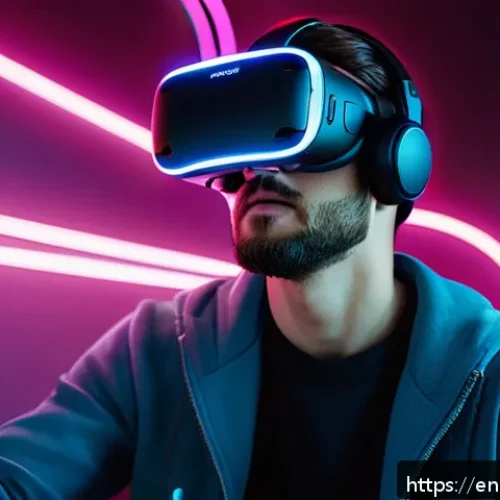
Okay, so remember when we used to just watch movies or read books? That’s still great, don’t get me wrong, but there’s this incredible shift happening right now where we’re not just observers anymore; we’re literally stepping into the story. I mean, personally, I’ve always dreamed of being a part of my favorite fantasy worlds, and suddenly, that’s not just a pipe dream! Virtual reality and augmented reality aren’t just for gaming anymore; they’re becoming powerful tools for narrative experiences that completely blow your mind. It’s a feeling unlike anything else, where the boundaries between you and the fictional world start to blur, and your sense of presence is just off the charts. You truly feel like you’re there, interacting with characters and environments in a way that traditional media simply can’t replicate. This isn’t just about cool graphics; it’s about tricking your brain into believing you’re somewhere else, and the emotional impact is profoundly deeper. Think about it: instead of just hearing about a character’s struggle, you might find yourself standing right beside them, experiencing the very tension and decisions they face firsthand. It’s a game-changer for empathy and understanding narratives from new perspectives. I’ve found these experiences aren’t just fleeting; they leave a lasting impression, almost like a real memory you’ve created.
Virtual Realities: Beyond the Screen
When I first strapped on a VR headset for a narrative experience, I was skeptical, to be honest. I thought it would be a gimmick, but boy, was I wrong! It was like being transported. The sense of scale, the sound design wrapping around you, the ability to physically look around and discover details – it all combines to create an unparalleled feeling of being present. I’ve seen stories unfold in ancient ruins, bustling futuristic cities, and even in the quiet intimacy of someone’s living room, all from my own couch. The magic lies in how VR can isolate you from your real surroundings, allowing for complete immersion. You’re not just watching a scene; you’re in it, and your brain starts to process it as a real memory. This isn’t just about visual spectacle; it’s about crafting entire environments where every detail contributes to the narrative, making you feel emotionally connected to the world and its inhabitants in a way that feels almost tangible. The storytelling possibilities are endless when you can literally walk through the narrative landscape. I’m telling you, it’s an experience that leaves you breathless and craving more, pushing the boundaries of what we thought was possible for narrative engagement. The level of detail and interaction available now is truly astounding, creating a personal journey for every user.
Augmented Realities: Blending Worlds
Then there’s AR, which is a whole different beast but equally thrilling. Instead of taking you to a new world, AR brings elements of the story into your world. Think about it: imagine a character from a novel appearing right in your living room, or clues from a mystery game popping up on your coffee table. I’ve experimented with AR apps that overlay historical events onto current locations, making a walk through the park feel like a journey through time. It’s less about complete escapism and more about enhancing your immediate reality with narrative layers. This can make stories incredibly personal and interactive, as the line between the fictional and the real blurs in a fascinating way. I find this especially powerful for educational narratives or city-based experiences where the environment itself becomes a character. The beauty of AR is its accessibility; often, all you need is your smartphone, making these experiences readily available to a much wider audience. It’s like the world itself becomes your canvas for stories, unfolding right before your eyes and transforming everyday spaces into extraordinary narrative playgrounds. The potential for blending digital narratives with physical spaces is truly exhilarating and promises a future where stories are everywhere around us, just waiting for us to discover them.
AI: Your New Creative Co-Pilot, Not a Replacement
Now, let’s talk about AI, because I know some of you might be thinking, “Oh no, is AI going to take over storytelling?” And my answer is a resounding “absolutely not!” From my perspective, and from what I’ve seen in the creative community, AI is emerging as an incredible co-pilot, an assistant that supercharges our own human creativity rather than replacing it. It’s like having an impossibly vast library of ideas and a tireless brainstorming partner right at your fingertips. Imagine being stuck on a plot point, or needing a fresh twist for a character’s backstory; AI tools can offer suggestions, analyze narrative structures, and even help generate rough drafts that you then polish and infuse with your unique human touch. It frees up creators from some of the more tedious, time-consuming aspects of the writing process, allowing them to focus on the emotional depth, the nuanced character development, and the truly innovative sparks that only a human mind can generate. I’ve personally experimented with AI for generating various story prompts and character descriptions, and it’s less about letting the AI write the story and more about using it as a springboard for my own imagination. The tools are getting smarter and more intuitive, making them invaluable for overcoming creative blocks and exploring new narrative avenues.
From Plotting to Polishing: AI’s Assisting Hand
The practical applications of AI in the storytelling pipeline are seriously impressive. Think about authors who spend countless hours outlining intricate plots with multiple timelines and character arcs. AI can help with that, generating potential plot points, identifying inconsistencies, and even suggesting alternative narrative paths you might not have considered. I’ve seen screenwriters use AI to analyze audience reception to certain tropes or dialogue styles, giving them data-driven insights to refine their scripts. And for those dreaded moments of writer’s block? AI can whip up a thousand different scenarios or character motivations in seconds, sparking that ‘aha!’ moment. It’s not writing the masterpiece for you; it’s giving you a richer palette of ideas to paint with. Even in the editing phase, AI can assist by identifying grammatical errors, suggesting stylistic improvements, or even ensuring consistency in a character’s voice across a lengthy series. It’s a tool that empowers creators, allowing us to build bigger, more complex, and more engaging narratives with greater efficiency, without sacrificing the soul that only human authorship can provide. It’s truly a collaborative process, where the technology serves the vision.
Generating Characters and Worlds with Machine Learning
Beyond just plotting, AI is also becoming incredibly adept at helping to flesh out the very fabric of our fictional worlds and the beings that inhabit them. I’ve played around with AI art generators that can create stunning visual concepts for alien landscapes, historical settings, or even fantastical creatures, all based on a few descriptive prompts. For characters, AI can assist in developing backstories, personality quirks, and even dialogue styles that align with specific archetypes. Imagine feeding an AI a few personality traits and getting back a fully fleshed-out character profile, complete with potential internal conflicts and relationships. This isn’t about replacing the spark of imagination, but rather providing a deep well of inspiration and possibilities to draw from. It’s about accelerating the world-building process, enabling creators to focus on the deeper themes and emotional resonance of their stories. The results are often surprising and inspiring, pushing me to think in new directions I might not have explored on my own. It feels less like automation and more like having a highly creative research assistant who can conjure vivid concepts at lightning speed, allowing the human storyteller to focus on weaving those concepts into a cohesive and meaningful narrative.
Stories That Know You: The Rise of Hyper-Personalization
This is where things get truly wild and, frankly, a little bit mind-bending in the best possible way. We’re moving beyond “one size fits all” storytelling into an era where narratives can actually adapt to you. Yes, you heard that right! Imagine a story that changes its pace, its tone, or even its plot points based on your emotional responses, your past choices, or your expressed preferences. It’s not just about picking an ending anymore; it’s about a narrative that evolves dynamically around your individual journey. I’ve always felt a deep connection to stories that resonate with my personal experiences, and hyper-personalization takes that to an entirely new level. It means the story isn’t just something you consume; it’s something you actively co-create with the technology, making each experience genuinely unique. This is powered by sophisticated algorithms that learn from your interactions, creating a feedback loop that continually refines the narrative to maximize your engagement and emotional impact. It’s a huge step towards making every story feel like it was written just for you, fostering an unprecedented level of intimacy and relevance. The implications for marketing, education, and entertainment are staggering, promising a future where content is not just consumed but truly experienced on a deeply personal level.
Dynamic Narratives: Adapting to Your Choices
Remember those “choose your own adventure” books? Well, take that concept and inject it with steroids, then make it digital and incredibly sophisticated. We’re talking about narratives where your decisions, big or small, don’t just lead to different paragraphs, but to entirely divergent plotlines, character developments, and world states. I’ve experimented with interactive films where pausing to examine a detail or looking in a certain direction would alter the subsequent scene. It’s an amazing feeling of agency! This isn’t just about a binary choice; these systems can handle complex branching narratives, remembering your previous actions and preferences to create a truly bespoke story flow. Imagine a detective story where the clues you choose to follow or the questions you ask shape the entire mystery and its outcome. It means endless re-playability and a much deeper investment in the narrative. Each viewer or player becomes an active participant, shaping the hero’s journey, the villain’s downfall, or the unfolding of a romantic saga. This level of dynamic adaptation makes passive viewing a thing of the past, transforming every engagement into a unique, personal quest that feels authentically yours. It’s a testament to how technology is enabling us to move from linear consumption to truly collaborative storytelling experiences.
Emotionally Responsive Content: A Deeper Connection
Now, this is truly fascinating and, frankly, a bit mind-blowing. Imagine a story that can sense your emotions – maybe through facial recognition, biometric data from wearables, or even just your interaction patterns – and then adjust itself accordingly. If you’re feeling anxious, perhaps the story offers a moment of calm or a supportive character. If you’re bored, it might inject a sudden plot twist. I’ve heard about prototypes that use AI to gauge a viewer’s engagement and then tweak the pacing or intensity of a scene in real-time. This isn’t about manipulation; it’s about crafting an experience that resonates on a profoundly human level, fostering a deeper, more empathetic connection. When a story feels like it understands you, and responds to your emotional state, it moves from being just entertainment to becoming a truly personal journey. For creators, this opens up incredible opportunities to craft narratives that aren’t just engaging but are also therapeutic, inspiring, or genuinely comforting. The potential for this technology to create incredibly intimate and impactful storytelling experiences is immense, moving us towards a future where stories don’t just entertain, but truly connect with us on an emotional wavelength, making every moment feel incredibly meaningful.
| Technology | How it’s Revolutionizing Storytelling | Impact on Audience & Creators |
|---|---|---|
| Virtual Reality (VR) | Creates fully immersive, interactive 3D worlds where users become characters in the narrative. | Deepens emotional connection and empathy; offers new creative canvases for creators by removing traditional screen limitations. |
| Augmented Reality (AR) | Overlays digital story elements onto the real world, blending fiction with reality, often through mobile devices. | Enhances real-world experiences; makes stories accessible and interactive in everyday life, transforming daily environments. |
| Artificial Intelligence (AI) | Assists in plot generation, character development, scriptwriting, and personalization, acting as a creative partner. | Streamlines creative process; enables dynamic, adaptable narratives; opens doors for individualized stories and helps overcome creative blocks. |
| Interactive Story Engines | Allows audience choices to directly influence plot branches, character relationships, and overarching outcomes. | Increases audience engagement and agency; transforms passive viewing into active participation, creating unique narrative paths. |
| Haptic Feedback Devices | Provides tactile sensations that align with on-screen actions, adding another sensory layer to digital experiences. | Enhances immersion by engaging the sense of touch; makes virtual experiences feel more ‘real’ and emotionally impactful. |
| Blockchain & NFTs | Enables decentralized ownership of digital story elements, character rights, and creator royalties; fosters community-driven narratives. | Empowers creators with direct ownership and new monetization models; builds engaged fan communities around intellectual property. |
Interactive Experiences: Beyond Passive Consumption
If there’s one thing I’ve noticed throughout my journey exploring the storytelling landscape, it’s that people crave more than just watching something unfold; they want to be a part of it. The shift from passive consumption to active participation is, in my opinion, one of the most exciting aspects of this technological revolution. We’re moving away from being mere spectators to becoming pivotal characters in the narratives we engage with. It’s not just about a game with a story; it’s about stories that are inherently interactive, where your presence and actions genuinely matter. This creates a profound sense of ownership and personal investment in the outcome, something I find incredibly compelling. The emotional stakes feel much higher when you know your choices have consequences, and the narrative branches into unexplored territory based on your input. This evolution is transforming how we define “audience” and “creator,” blurring the lines and inviting everyone into the storytelling process in a truly meaningful way. It promises a future where stories are not just consumed, but actively lived and shaped by each individual. This is a far cry from simply pressing play, requiring a much deeper level of engagement and critical thinking from the audience, which I think is a fantastic development for personal growth alongside entertainment.
Choose Your Own Adventure, Evolved
Remember those classic “choose your own adventure” books? Well, they’ve been given a spectacular, high-tech upgrade. Today’s interactive stories go far beyond simple page-flipping; they incorporate sophisticated engines that track your decisions, character relationships, and even subtle interactions to create a deeply personalized narrative. I’ve spent hours diving into interactive films where a glance at a background object could unlock a hidden subplot, or a seemingly insignificant dialogue choice could completely alter a character’s fate much later on. It’s incredibly clever and makes you feel like every detail matters. This isn’t just about branching paths; it’s about a living, breathing narrative that responds to your unique journey through it. The replayability is immense, as you can go back and explore entirely different outcomes, uncovering layers of story you missed the first time. For creators, this means crafting incredibly complex narrative webs, but the payoff in terms of audience engagement is huge. It transforms storytelling into a collaborative dance between the storyteller and the audience, where both play a vital role in shaping the final narrative experience. It feels like we’re finally getting the stories we always dreamed of, where our decisions truly matter.
Live Participatory Narratives: When Audiences Shape the Story
This is perhaps the pinnacle of interactive storytelling for me right now. Imagine a story that unfolds in real-time, often with live elements, where the audience’s collective input actively steers the narrative. Think of interactive theater combined with digital interfaces, or live-streamed events where audience polls or chat commands literally influence character actions or plot developments. I’ve participated in online events where thousands of viewers collectively voted on a protagonist’s next move, leading to incredibly unpredictable and thrilling outcomes. It’s chaotic, exhilarating, and completely unique every single time. This type of storytelling fosters an incredible sense of community, as people share their experiences and collectively influence the narrative’s direction. It breaks down the fourth wall entirely, inviting the audience to become a legitimate force within the story’s universe. For creators, it’s a high-wire act, demanding immense flexibility and an openness to relinquish some control, but the rewards in terms of genuine engagement and buzz are unparalleled. It’s like a massive, collaborative game of Dungeons & Dragons, but with a global audience and cutting-edge tech. The thrill of knowing your input, however small, contributed to that unfolding drama is truly addictive, making every session feel like a shared, living performance.
Monetizing the Magic: New Avenues for Creators and Brands
Let’s be real for a moment: creating these incredible, tech-infused stories isn’t cheap, and creators deserve to be compensated for their brilliant work. Luckily, this new era of storytelling isn’t just about cool tech; it’s also opening up innovative and, frankly, more equitable ways for storytellers and brands to earn a living. The traditional models of advertising and simple sales are being augmented by fascinating new structures that directly reward creativity and audience engagement. I’ve seen independent creators leverage these new monetization paths to build sustainable careers, which is incredibly inspiring. It’s about building a direct relationship with your audience, offering them unique ways to support the stories they love, and in turn, feeling a greater sense of ownership over the content. This shift is crucial for fostering a diverse and vibrant ecosystem of storytellers, ensuring that groundbreaking ideas can find funding and reach an appreciative audience. It’s a win-win: creators get the resources they need, and audiences get more high-quality, innovative narratives to dive into, creating a healthy cycle of creativity and appreciation. This is vital for the long-term health and growth of this new storytelling paradigm.
Subscription Models and Micro-Transactions in Immersive Worlds
One of the clearest paths to sustainability for many immersive story experiences has been through subscription models. Think of platforms offering exclusive access to interactive narratives or ongoing episodic VR series, much like Netflix or HBO for traditional media. I’ve personally subscribed to services that deliver a new chapter of a story monthly, and the anticipation is thrilling. Beyond subscriptions, micro-transactions and in-app purchases are also playing a significant role, but with a crucial difference from typical gaming. Here, they often relate to customizing your experience, unlocking deeper narrative branches, or acquiring unique digital assets that have a direct bearing on the story. For instance, in an interactive mystery, you might purchase a “hint” pack or a unique item that gives you an edge in solving the puzzle. It’s about enhancing the narrative journey rather than just buying cosmetic upgrades. This approach allows creators to build a loyal fanbase that actively supports their work, giving them a steady revenue stream and the freedom to focus on crafting truly compelling stories. The key is ensuring these monetization strategies genuinely add value to the narrative experience, making the audience feel their investment enriches their journey.
Branded Content: Storytelling for the New Era
Brands have always understood the power of storytelling, but in this new tech-driven landscape, branded content is evolving into something far more engaging and authentic. Instead of just showing ads, companies are now commissioning immersive narratives or interactive experiences that subtly weave their brand values or products into the fabric of the story. I’ve encountered AR filters that tell a mini-story about a new product, or VR experiences sponsored by travel companies that let you “visit” exotic destinations as part of a larger narrative. The best branded content in this space doesn’t feel like an advertisement at all; it feels like a valuable, entertaining story that happens to be brought to you by a particular brand. This approach builds a much deeper connection with consumers, fostering loyalty and positive associations through shared experiences rather than overt sales pitches. For creators, this opens up significant funding opportunities, allowing them to work with established brands to bring ambitious narrative projects to life. It’s a sophisticated dance between commercial interests and artistic integrity, and when done right, it results in groundbreaking narratives that captivate audiences while subtly promoting a message. It’s a testament to how creative storytelling can flourish when aligned with innovative business models.
The Future is Now: Emerging Technologies Redefining Narrative Boundaries

It feels like we’re constantly on the precipice of something new, doesn’t it? Just when you think you’ve grasped the latest tech in storytelling, another innovation bursts onto the scene, pushing the boundaries even further. This isn’t just about incremental improvements; it’s about entirely new ways to experience and interact with narratives that were once the stuff of science fiction. The speed at which these emerging technologies are being integrated into creative practices is astonishing, and it keeps me absolutely buzzing with excitement. We’re talking about technologies that engage more of our senses, connect directly with our minds, and blur the line between the digital and the physical in ways that are truly profound. I personally believe that the real magic happens when these different innovations start to converge, creating synergistic experiences that are far greater than the sum of their parts. It’s not just about what one technology can do, but how they all work together to craft an unparalleled narrative journey. The possibilities for depth, immersion, and emotional impact are truly endless, promising a future where stories are not just heard or seen, but deeply felt and perhaps even physically experienced. This rapid evolution means that today’s cutting-edge is tomorrow’s standard, constantly redefining what storytelling can be.
Haptic Feedback and Multi-Sensory Stories
While VR and AR have mastered sight and sound, the next frontier in immersion is undoubtedly touch and other senses. Haptic feedback technology, which provides tactile sensations, is already making incredible strides. Imagine feeling the gentle patter of rain in a virtual forest, the rumble of a distant explosion, or the subtle vibrations of a character’s heartbeat as you stand beside them. I’ve tried haptic vests that really make you feel like you’re taking a hit in a game or feeling the pressure of a ghostly presence, and it adds an unbelievable layer of realism. It’s not just about adding a cool effect; it’s about making the virtual world feel genuinely physical, engaging another fundamental human sense to deepen the narrative impact. Beyond touch, imagine integrating scent diffusers for a truly aromatic journey, or even controlled temperature changes to evoke a sense of a harsh desert or a chilly cavern. Multi-sensory storytelling aims to engage every facet of our perception, creating narratives that are not just visually and audibly compelling, but also physically and emotionally resonant. The goal is to trick your brain into believing you’re truly there, making the story an experience that washes over you completely, leaving an unforgettable impression.
Brain-Computer Interfaces: The Ultimate Immersion
Now, if we’re talking about the truly far-out future, brain-computer interfaces (BCIs) are perhaps the ultimate goal for immersive storytelling. While still largely experimental and in their early stages, the idea is to bypass traditional inputs and directly translate brain activity into actions within a narrative, or even to directly transmit sensory information. Imagine simply thinking about moving a character, or having a dream-like narrative unfold directly within your mind, responsive to your thoughts and emotions. I’ve read about research exploring how BCIs could allow users to navigate virtual worlds with pure thought, or even to experience pre-recorded memories or dreams as narratives. This isn’t just about watching a story; it’s about living it from within your own consciousness, blurring the line between self and narrative to an unprecedented degree. While there are obviously significant ethical considerations and technological hurdles to overcome, the promise of truly thought-controlled, emotionally responsive narratives is breathtaking. It could lead to stories that are not just personalized, but entirely symbiotic, adapting in real-time to your deepest desires and subconscious reactions, creating an experience so intimate it almost defies description. It’s the ultimate convergence of human consciousness and narrative artistry.
Crafting Worlds with Code: Game Engines and Beyond
You know, for a long time, video games were seen as separate from “serious” storytelling. But honestly, that’s just not the case anymore. Modern game engines are not just for games; they’ve become incredibly powerful tools for building cinematic narratives, interactive experiences, and even virtual sets for traditional film production. I’ve watched documentaries about how major film studios are now using platforms like Unreal Engine to create stunning, hyper-realistic environments and visual effects in real-time, completely changing the production pipeline. This convergence is fascinating because it means storytellers, regardless of their background, now have access to unbelievably robust tools that were once the exclusive domain of game developers. It’s democratizing the creation of highly complex, visually rich narratives, empowering independent artists and massive studios alike to bring their grandest visions to life with unprecedented efficiency and artistic control. It’s a testament to the versatility and raw power of these technological frameworks, proving that the lines between different creative mediums are not just blurring, but actively dissolving, paving the way for entirely new forms of artistic expression and narrative engagement. This shift is genuinely exciting for anyone with a story to tell, offering a canvas that’s limited only by imagination.
Real-Time Rendering for Cinematic Quality
One of the most jaw-dropping advancements for me has been the evolution of real-time rendering within game engines. Gone are the days of needing hours, or even days, to render a single frame of high-quality animation or visual effects. Now, with engines like Unreal Engine 5 or Unity, artists can create photorealistic environments, character models, and complex lighting schemes that render instantly. This means animators and filmmakers can iterate on scenes in real-time, adjusting camera angles, tweaking lighting, and refining performances without agonizing waits. I’ve seen incredible short films and even full-length features produced almost entirely within these engines, achieving a visual fidelity that rivals traditional CGI, but with a fraction of the time and cost. It’s a game-changer for independent creators who might not have the budget for traditional rendering farms, allowing them to produce visually stunning stories that were previously out of reach. This efficiency also means more creative freedom, as artists can experiment more readily, pushing the visual boundaries of their narratives without being bogged down by technical limitations. The quality you can achieve right now, in real-time, is simply breathtaking and continually improving, making it an invaluable asset for modern storytellers.
Democratizing Creation: Tools for Every Storyteller
Perhaps the most profound impact of these advanced engines and accessible tools is the democratization of storytelling itself. You no longer need a massive studio budget or a team of hundreds to create visually compelling and interactive narratives. These powerful development kits, often available for free or at a low cost, come packed with intuitive interfaces, extensive asset libraries, and vibrant online communities offering support and tutorials. I’ve personally dabbled in learning some of these tools, and while there’s a learning curve, the accessibility is incredible. This means a budding independent filmmaker in their living room can now create an animated short with the same tools used by Hollywood blockbusters. Writers can build interactive prototypes of their novels, visual artists can sculpt entire virtual worlds, and educators can craft engaging, immersive learning experiences. It empowers a new generation of diverse voices to tell their stories in ways that were previously impossible, breaking down barriers to entry and fostering a truly global creative landscape. This shift ensures that innovation isn’t confined to a select few, but can blossom from anyone with a compelling narrative and the desire to bring it to life through code and creativity. It’s an exciting time to be a creator, with so many powerful tools readily available.
Concluding Thoughts
Wow, what an incredible journey we’ve just taken through the evolving landscape of storytelling! It’s truly mind-blowing to think about how far we’ve come, from simple campfire tales to fully immersive, personalized narratives that respond to our very emotions.
This isn’t just about new gadgets; it’s about a profound shift in how we connect with stories, how creators bring their visions to life, and how we, as the audience, get to experience them.
I genuinely believe we’re on the cusp of an era where every story can be a deeply personal adventure, shaped by our choices and even our thoughts. It’s an exhilarating time to be alive, watching and participating in this narrative revolution!
Useful Information to Know
1. If you’re looking to dive into immersive storytelling, start with accessible AR apps on your smartphone. Many brands and independent creators are experimenting with engaging experiences that you can access right from your pocket, giving you a taste of blended realities without needing specialized hardware.
2. For aspiring creators, don’t be intimidated by the tech. Powerful game engines like Unreal Engine and Unity offer free tiers and tons of tutorials, democratizing the creation of interactive and visually stunning narratives. Begin by exploring their basic functionalities and you’ll be amazed at what you can build!
3. Keep an eye out for subscription services dedicated to interactive or VR narratives. These platforms are becoming the new hubs for cutting-edge storytelling, offering exclusive content that’s designed to truly immerse you. It’s a fantastic way to support innovative creators and experience the forefront of narrative evolution.
4. When considering AI tools for your creative process, view them as an assistant, not a replacement. Use AI to brainstorm, overcome writer’s block, and generate ideas, but always infuse your unique human perspective, emotions, and experiences to make the story truly your own and avoid that ‘AI-generated’ feel.
5. Explore opportunities in branded interactive content. As brands increasingly turn to immersive storytelling to connect with audiences, there’s a growing demand for creators who can weave compelling narratives with subtle brand integration. This can be a lucrative and creative avenue for many storytellers.
Key Takeaways
In essence, storytelling is transforming from a passive activity to an active, personalized journey. Technologies like VR, AR, and AI are not just tools; they’re gateways to unprecedented immersion, co-creation, and emotional connection.
For both audiences and creators, this means richer, more engaging experiences and innovative opportunities for artistic expression and sustainable monetization.
The future of narrative is truly here, and it’s interactive, personal, and endlessly exciting.
Frequently Asked Questions (FAQ) 📖
Q: How exactly is
A: I transforming the storytelling landscape for creators and authors right now? A1: Oh, this is such a fascinating question, and one I’ve been personally exploring a lot!
From what I’ve seen, AI isn’t about replacing the human touch; it’s more like having an incredible co-pilot for your creative journey. Imagine being able to brainstorm plot twists or develop complex character backstories in a fraction of the time.
I’ve heard from so many writers, and even tried some tools myself, where AI helps generate ideas, suggest dialogue options, or even identify potential narrative gaps you might have missed.
It really frees up creators to focus on the truly unique, emotional core of their story, making the mechanical parts of writing faster and more efficient.
It’s like having a dedicated assistant that never sleeps, helping you polish your narrative until it shines, giving you more time to actually write the brilliant stuff that only a human mind can truly conceive.
It’s about augmenting human creativity, not diminishing it, allowing for more stories to blossom and reach us in novel ways than ever before.
Q: You mentioned immersive worlds with VR and
A: R – what does that truly mean for my experience as an audience member? A2: Okay, this is where it gets truly mind-blowing, and honestly, it’s what excites me the most!
Forget just watching a story unfold on a flat screen. With VR and AR, you’re literally stepping inside the narrative. I mean, imagine making a decision for the main character that genuinely changes the course of the plot, or physically walking through an ancient ruins setting from a fantasy novel and actually feeling like you’re there.
It’s not just passive consumption; it’s active participation. I’ve personally experienced demos where you interact with characters, solve puzzles within the story’s world, or even explore historical events as if you were a witness.
This level of immersion creates an incredibly deep emotional connection. You’re not just observing a hero’s journey; you’re experiencing it alongside them, feeling their triumphs and challenges in a way that traditional media simply can’t replicate.
It’s like living the story instead of just reading or watching it, and believe me, it makes for unforgettable memories.
Q: With all this talk about hyper-personalization, are stories becoming too niche, or does it actually make them more universally appealing?
A: That’s a super insightful concern, and one I’ve pondered myself! Initially, you might think personalization could lead to everyone being stuck in their own little story bubble, right?
But from what I’ve observed, it’s actually making stories resonate more deeply on an individual level, which paradoxically can broaden their appeal. Think about it: when a story adapts to your unique preferences – maybe by presenting a character arc that aligns with your values, or by subtly adjusting the pacing based on your engagement – it feels incredibly personal.
It’s like the story was made just for you. This deep, personal connection means you’re more likely to engage, to share, and to talk about it. While the delivery might be personalized, the core themes of love, loss, heroism, and discovery are universal.
It’s making those universal themes accessible and impactful in a way that feels unique to each person. So, instead of niche, I see it as fostering a stronger, more profound connection between the narrative and the audience, making stories more relevant and engaging than ever before.